Food & culture
Where to Eat in Essaouira, by People Who Live Here
Ask ten people where to eat in Essaouira and you get ten restaurant names, half of which have changed hands since they were recommended. That is the wrong question. The useful thing to know is that this town feeds you in four completely different ways, at four completely different prices, and once you can tell them apart you can walk into almost anything and eat well. Here is how we do it, with real numbers in dirhams.
The four ways this town feeds you
Essaouira is a working fishing port with a UNESCO medina wrapped around it, and its food splits cleanly along those lines.
- The port grills: fish landed that morning, cooked over charcoal a hundred metres from the boats. Cheap, loud, occasionally a negotiation.
- Street and stall food: msemen, bissara, harira, grilled sardines, fried fish sandwiches. This is what most people in the medina actually eat on a normal day, and it is where the best value in town sits.
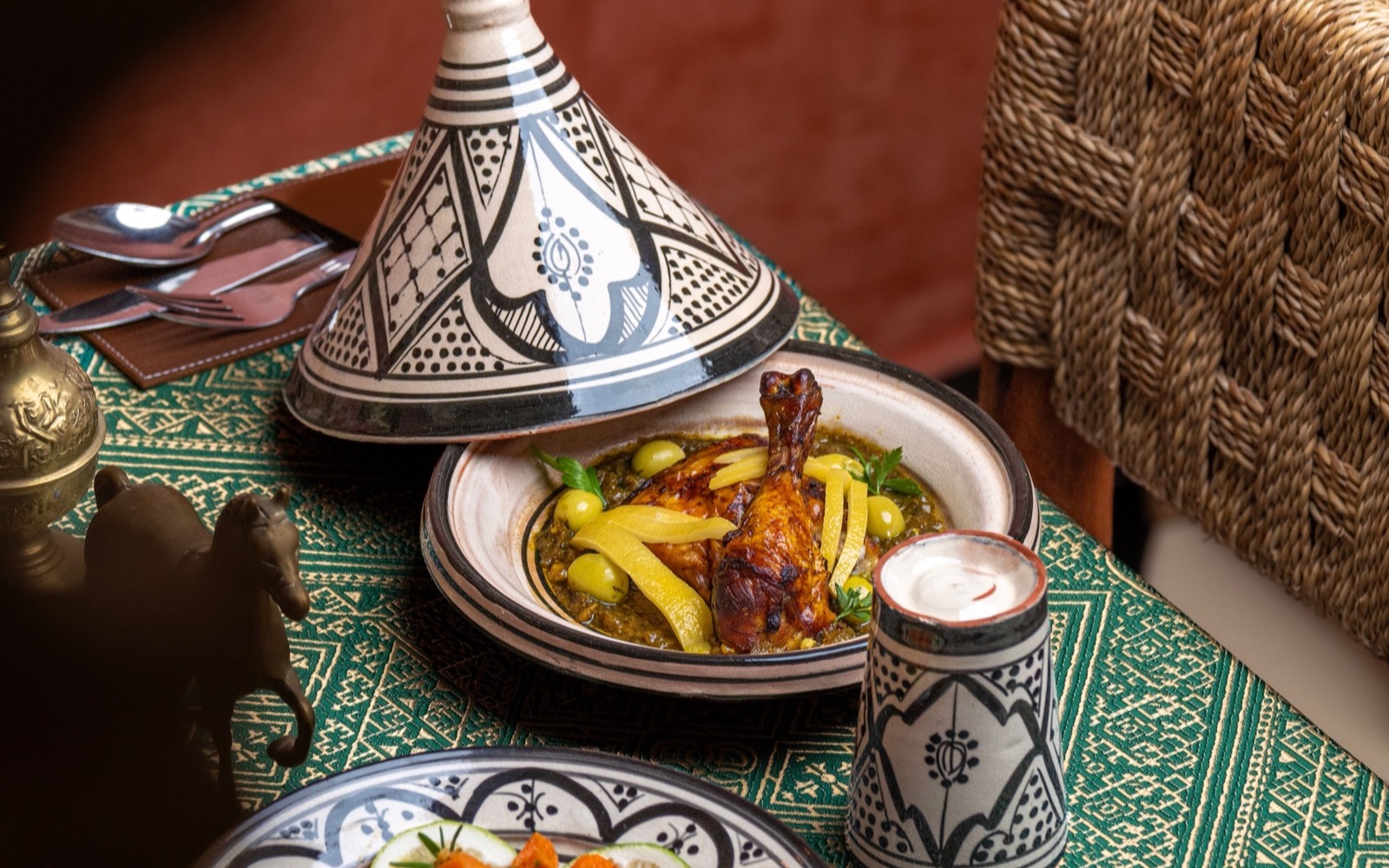
- Small Moroccan kitchens: tagine, couscous, salads, usually a short handwritten menu, often family run. Sit down, take an hour.
- The terrace and fusion scene: rooftops with a view, a decades-old artist and expat community, and menus that owe as much to Europe as to Morocco.
The mistake visitors make is spending a whole week inside that fourth category, because it is the one with English menus at eye level.
The fish grills: how they work, and how not to get stung
Between Place Moulay Hassan and the fishing harbour there is a row of near-identical open air stalls, each with fish laid out on ice and a charcoal grill behind. You are buying by weight, not by dish. You point at what you want, it is weighed, grilled whole and brought to a plastic table with bread, a tomato salad and a wedge of lemon.
This is genuinely one of the best cheap meals on the Moroccan coast, and it is also where visitors most often feel cheated. The fix is one sentence, said before anything touches the grill: how much for this, in total, including bread and salad? Agree the number out loud, agree the weight, and the whole thing becomes what it should be.
Some practical points. Sardines are the local staple and the cheapest thing on the ice, and in season they are better than anything expensive next to them. Whatever came in that morning is what you should order, so ask rather than picking the prettiest fish. Lunch is the right time: the boats land in the morning and the stalls are busiest and freshest around midday. And if a tout walks you to a specific stall, you are not doing anything wrong, but check the price twice.
What we actually eat between meals
The medina runs on small food all day, and almost none of it costs more than a coffee at home.
Mornings are msemen (a square, layered, pan-fried flatbread) or harcha (semolina, denser, closer to a griddle cake), eaten with honey, jam or amlou, the argan and almond spread that is a specialty of this whole region. In winter you will see people queuing for bissara, a thick fava bean purée finished with olive oil, cumin and paprika, which is a breakfast, costs about the price of a bus ticket, and is why nobody here is hungry before lunch.
Late afternoon into evening you get harira, the tomato and lentil soup that ends the fast during Ramadan and is served year round, plus grilled sardine sandwiches and fried fish rolls near the port gates. Drinks: mint tea everywhere, freshly squeezed orange juice from the stalls, and nous-nous, literally "half half", the local half coffee half milk that is the default order in any café.
One more thing worth knowing: Friday is couscous day across Morocco. If you are here on a Friday, eat couscous at lunch, not dinner, and eat it somewhere small.
Sit-down meals worth the money
We are not going to hand you a list of restaurant names, partly because ownership and kitchens change faster than any blog post, and partly because the skill is more useful than the list. Four signals we trust:
- A short menu. A kitchen offering forty dishes is reheating most of them. Six to twelve is a good sign.
- Full at 13:00, not just at 19:30. Locals eat their main meal at lunch. A place that is busy at midday with people who live here is a place that works.
- A menu in one or two languages. Six flags on the board usually means the target customer is passing through once.
- Someone tells you what is not available today. That means the market, and not the freezer, is setting the menu.
On rooftops: Essaouira is a rooftop town, and terrace tables come with a premium. Pay it for a sunset drink or a mint tea, not automatically for dinner. And a practical note that catches people out: alcohol is served in a minority of medina places, so if a bottle of wine is part of your evening, check before you sit down rather than after.
What a day of eating actually costs
Rough ranges in Moroccan dirhams, for two adults who are not trying especially hard to save money. Prices move, so treat these as the shape of the thing rather than a quote.
| What | Typical price (MAD) | Notes |
|---|---|---|
| Msemen or harcha from a stall | 3 to 8 | Per piece, with honey or amlou |
| Bowl of bissara | 5 to 15 | Breakfast, mostly winter |
| Mint tea in a café | 10 to 20 | More on a terrace with a view |
| Fresh orange juice | 10 to 20 | Squeezed in front of you |
| Sardine or fried fish sandwich | 15 to 30 | Near the port gates |
| Grilled fish at the port, per person | 60 to 120 | By weight, agree the total first |
| Tagine in a small medina kitchen | 50 to 90 | Comes with bread |
| Dinner for two, sit-down, no alcohol | 150 to 300 | Total, not per person |
| Dinner for two on a view terrace | 300 to 600 | You are partly paying for the view |
Two people can eat properly for 150 to 200 MAD a day if breakfast and lunch come from stalls and dinner is a tagine. The same two people can spend that on one dinner without trying. Both are legitimate trips. Knowing which one you are on is the point.
Rather learn to make it than keep ordering it?
Our cooking class starts at the market, not at the stove: you pick the vegetables, the fish and the spices, then cook a full Moroccan meal and eat it on the rooftop. Message the team and we will tell you what is in season the week you arrive.
Ask us on WhatsApp See the cooking packageCooking for yourself, and the market run
On a long stay, restaurants are the budget killer, and Essaouira happens to be an easy town to shop in. The fish comes off the boats in the morning and is sold whole at the port. The vegetable and spice market inside the walls is a ten minute walk from most of the medina, and you can buy in the quantities you actually need: three tomatoes, a handful of olives, one piece of ginger. Nothing about it requires you to speak Arabic. Point, ask the price, pay in cash.
That is why our kitchen matters more than it sounds like it should. Every bed at Chill Art Hostel comes with access to a fully equipped shared kitchen, which turns a market run into dinner for the price of a coffee elsewhere. It is also the room where guests end up cooking for each other, which happens more often than you would think, usually after somebody comes back from the port with too much fish.
If you would rather be taught properly, the cooking package bundles accommodation with one activity per day, starting at 920 MAD per person for two nights in a dorm, taxes included. And tea time on the rooftop is free every day at 18:00, which is the cheapest meal in this article.
Six things that trip people up
- Only eating around the main square. Place Moulay Hassan is beautiful and it is also the most expensive square metre in town. Walk three streets inland.
- Not agreeing the price before the fish is grilled. Thirty seconds of conversation removes the single most common bad experience visitors have here.
- Assuming card payment. Stalls, grills and most small kitchens are cash only. Carry small notes, because change for a 200 is a daily negotiation.
- Eating dinner at 19:00. Lunch is the main meal and dinner runs late. At 19:00 you will often be the only table, and the kitchen will have just started.
- Skipping the stalls for hotel breakfast. The best breakfast in Essaouira costs about 20 MAD and is eaten standing up.
- Forgetting Ramadan changes the day. During Ramadan, daytime food options in the medina thin out considerably and everything happens after sunset. It is a wonderful time to visit if you know that going in and a frustrating one if you do not.
Essaouira punches above its size on food because the sea is two hundred metres away and the market is fed by the countryside behind it. Eat where the boats and the market decide the menu, and you will spend less than you expected. Live availability is on our direct booking page, and if you want a proper answer about anything in this article, WhatsApp is faster than email.
Frequently asked questions
Where do locals actually eat in Essaouira?
Mostly at stalls and small family kitchens rather than at terrace restaurants. A normal day here is msemen or bissara from a stall in the morning, a tagine or grilled fish at lunch (lunch is the main meal in Morocco), and something light in the evening. The fish grills between Place Moulay Hassan and the fishing harbour are used by residents and visitors alike, particularly around midday when the morning catch has just been landed.
How much does a meal cost in Essaouira?
Street food costs roughly 3 to 30 MAD per item, a tagine in a small medina kitchen usually runs 50 to 90 MAD, grilled fish at the port comes to about 60 to 120 MAD per person depending on weight, and a sit-down dinner for two without alcohol is commonly 150 to 300 MAD in total. Terrace restaurants with a view cost noticeably more. Two people can eat well for around 150 to 200 MAD a day if breakfast and lunch come from stalls.
Are the fish grills at the port worth it?
Yes, provided you agree the price before anything is cooked. You buy by weight, not by dish: you choose from the fish on ice, it is weighed, grilled whole over charcoal and served with bread and salad. Ask for the total price including bread and salad, out loud, before it goes on the grill. Sardines are the cheapest and often the best thing there, and lunchtime is when the catch is freshest.
Can I pay by card in Essaouira restaurants?
Often not. Street stalls, the port grills and most small medina kitchens are cash only, and larger sit-down restaurants are the exception rather than the rule. Carry cash in small notes, because getting change for a 200 dirham note is a daily negotiation. There are ATMs in and around the medina.
Is there good vegetarian food in Essaouira?
Yes, and it is easy without any special effort. Vegetable tagine, couscous with seven vegetables, bissara (fava bean purée), zaalouk and taktouka (cooked aubergine and pepper salads), lentils, msemen and fresh bread are all everyday food here rather than special requests. Vegan is more work because butter, eggs and honey appear often, so it is worth saying so explicitly when you order.
Does Chill Art Hostel have a kitchen guests can use?
Yes. Every bed comes with access to a fully equipped shared kitchen, which is why long stays here are cheap: the port sells fish whole in the morning and the market inside the walls sells vegetables and spices in small quantities. We also run Moroccan cooking classes that start with the market run, bundled in a cooking package from 920 MAD per person for two nights in a dorm, taxes included, and free tea time on the rooftop every day at 18:00.
Sleep in the middle of the food
Two minutes from the market, five from the port grills, with a kitchen you can actually use and a rooftop for what you cook in it. Live rates on our own booking page.
See availability Ask on WhatsApp